

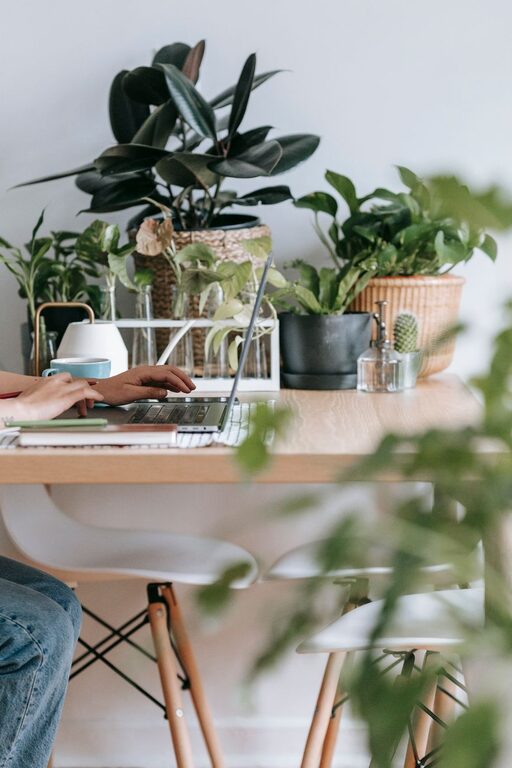
Creating a home office that is both productive and cosy is essential for anyone who spends significant time working from home. A well-designed workspace can help maintain focus, reduce stress, and even improve your overall wellbeing. Whether you have a dedicated room or just a small nook, with the right approach, you can create an environment that supports your work and feels inviting. Here are some useful tips and ideas to help you set up a home office that works for you.
Choose the Right Location
Find a Quiet, Low-Traffic Spot
The first step in creating a productive home office is selecting a suitable location. Aim for a quiet area with minimal distractions, ideally away from busy parts of the home such as the kitchen or living room. This helps you mentally separate work time from home life and allows for better concentration.
Consider Natural Light
Natural light can improve mood and energy levels. Position your desk near a window if possible, to benefit from daylight. If natural light is limited, invest in good quality artificial lighting that mimics daylight, avoiding harsh overhead lights or glare on your screen.
Invest in Ergonomic Furniture
Comfortable Chair
A good office chair supports your posture, reducing the risk of back pain and fatigue. Look for adjustable chairs that provide lumbar support, rotate, and can be modified to suit your height.
Functional Desk
Select a desk that fits your space and workflow. It should have enough surface area for your computer, notes, and other essentials while allowing you to keep organised. If space is tight, consider foldable or wall-mounted options.
Desk Accessories
Use a monitor stand or laptop riser to keep screens at eye level, reducing neck strain. Keyboard trays and wrist supports can also improve comfort during long working hours.
Keep the Space Organised and Clutter-Free
Storage Solutions
Clutter can be distracting and stressful. Employ shelves, filing cabinets, and desk organisers to keep papers, stationery, and gadgets tidy. Labelled boxes or baskets can help with categorising and easy access.
Cable Management
Messy cables can ruin the look of your workspace. Use cable clips, ties, or under-desk trays to keep cords organised and out of sight.
Add Personal and Comfort Touches
Soothing Colour Palette
Choose calming colours for walls and decor, such as soft blues, greens, or neutrals. These shades help create a relaxing atmosphere conducive to focus.
Textiles and Soft Furnishings
Incorporate cosy elements like a soft rug, cushions, or a warm throw. These can make the space comfortable and inviting, helping you feel at ease while working.
Plants and Natural Elements
Adding greenery can improve air quality and reduce stress. Choose low-maintenance indoor plants suited for your lighting conditions, such as spider plants, snake plants or succulents.
Maintain Good Air Quality and Temperature
Ventilation
Adequate airflow helps keep you alert and comfortable. Open windows when possible or use an air purifier to refresh indoor air.
Temperature Control
Ensure your home office has good heating and cooling options. A small fan or heater can make a significant difference during extreme weather, maintaining a pleasant working environment.
Minimise Distractions and Create Boundaries
Noise Control
If you’re in a noisy household, consider noise-cancelling headphones or white noise machines. Soft furnishings like curtains and rugs can also absorb sound.
Clear Work Hours
Set specific work hours and communicate these boundaries to others in your home. This helps to reduce interruptions and maintain a professional mindset.
Use Technology to Your Advantage
Reliable Internet Connection
A stable and fast internet connection is essential for remote work, video calls, and research. Consider upgrading your router or using a wired connection if wifi is inconsistent.
Tools and Apps
Leverage productivity tools such as calendars, task managers, and focus timers to structure your day and stay on top of deadlines.
Prioritise Wellbeing
Take Regular Breaks
Following the 20-20-20 rule—looking at something 20 feet away for 20 seconds every 20 minutes—can reduce eye strain. Use breaks to stretch or move around to boost circulation.
Keep Hydrated and Snack Smartly
Keep a water bottle nearby and opt for healthy snacks to maintain energy levels without feeling sluggish.
Final Thoughts
Designing a home office that is both productive and cosy is about creating a balance between functionality and comfort. By thoughtfully choosing your location, furniture, and decor, and maintaining an organised, clutter-free space, you set yourself up for success. Remember, your home office should serve your work needs while being a pleasant place to spend time. With these tips, you’ll be well on your way to enjoying a productive and enjoyable work-from-home experience.