

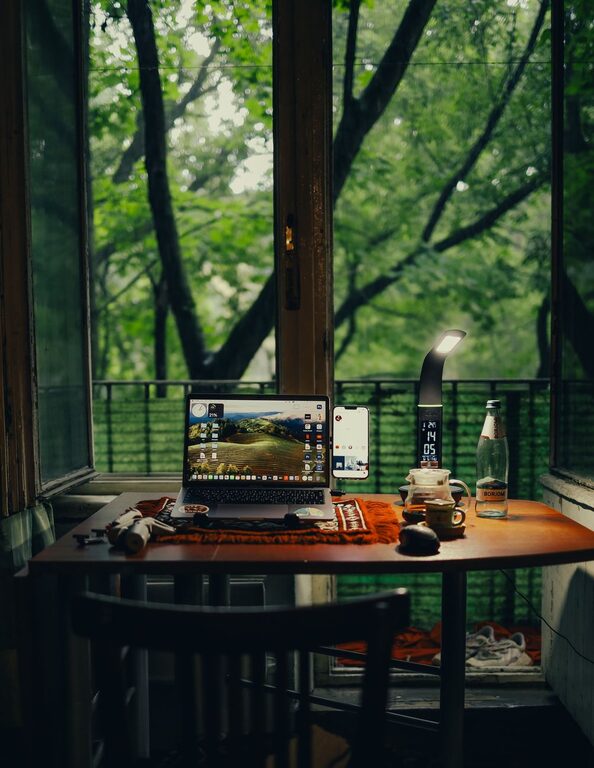
Working from home has become a common reality for many, making the home office an essential part of daily life. Creating a relaxing environment in your home office not only boosts productivity but also supports your mental and physical well-being. A cluttered or uninspiring workspace can lead to distractions, stress, and fatigue. On the other hand, a thoughtfully designed area helps you stay focused, motivated, and comfortable.
In this post, we’ll explore practical tips to transform your home office into a calming, efficient space that suits your work style and nurtures your health.
Why a Relaxing Home Office Matters
Spending long hours in an office environment that doesn’t feel comfortable can affect your effectiveness and mood. A relaxing home office:
– Reduces stress and anxiety by providing a pleasant atmosphere
– Minimises distractions, helping you concentrate better
– Encourages good posture and physical comfort to avoid fatigue
– Supports a healthier work-life balance by creating a distinct space for work
With these benefits in mind, let’s look at how you can create such an environment.
Choose the Right Location
The basis of a relaxing home office is a suitable location within your home.
Select a Quiet, Low-Traffic Spot
Pick a space away from noisy areas like the kitchen or living room. A quieter corner, spare room, or even a section of your bedroom can work well if distractions are kept to a minimum.
Maximise Natural Light
Natural daylight boosts mood and energy levels. Position your desk near a window if possible, but avoid glare on your computer screen. Using sheer curtains is a good way to filter sunlight gently.
Organise Your Space Thoughtfully
A tidy, organised workspace reduces mental clutter and improves focus.
Use Practical Storage Solutions
Keep paperwork, stationery, and gadgets stored neatly with shelves, drawers, or boxes. Label storage containers for extra convenience.
Clear Your Desk of Non-Essentials
A clean desktop gives you space to work and think. Only keep necessary items within reach to create a sense of calm.
Pay Attention to Ergonomics and Comfort
Your physical comfort impacts how relaxed and productive you feel.
Invest in an Ergonomic Chair
A comfortable chair with adjustable height and good back support helps prevent aches and encourages good posture.
Use a Desk at the Right Height
Your desk should allow your forearms to rest comfortably while typing with wrists straight. Adjustable desks or standing desks offer flexibility.
Position Your Screen Correctly
Place your computer screen at eye level about an arm’s length away to reduce neck strain.
Incorporate Calming Colours and Decorations
Colours and decor influence mood and energy.
Choose Soft, Neutral Tones
Light blues, greens, and greys are known for their calming effects and help create a serene atmosphere.
Add Personal Touches Carefully
Decorate with a few meaningful items like photos, artwork, or plants. These can make your workspace feel welcoming without causing distraction.
Bring in Elements of Nature
Nature has a soothing effect on the mind.
Include Indoor Plants
Plants improve air quality and add a fresh, vibrant touch to your office. Choose easy-care varieties like spider plants or succulents.
Use Natural Materials
Wood or stone accessories can enhance the natural feel of your space.
Control Lighting and Noise
Proper lighting and sound levels are key.
Use a Combination of Lighting Sources
Supplement natural light with soft overhead lighting and task lamps. Avoid harsh fluorescent bulbs.
Minimise Noise Distractions
Use noise-cancelling headphones, white noise machines, or soft background music to block disruptive sounds.
Promote Movement and Breaks
Sitting for long periods can harm both your body and mind.
Schedule Regular Breaks
Set reminders to stand, stretch, and move around every hour to boost circulation and reduce tension.
Create Space for Movement
If possible, include a spot for stretching or simple exercises in your home office.
Maintain a Healthy Temperature and Air Quality
Comfort depends on more than just furniture and decor.
Adjust the Room Temperature
Keep your workspace at a comfortable temperature, ideally between 18–22°C, to avoid feeling too hot or cold.
Improve Air Circulation
Open windows when possible and consider air purifiers to keep the air fresh.
Establish Clear Boundaries
Separating work and leisure helps to switch off at the end of the day.
Define Your Workspace
Use screens, rugs, or furniture arrangement to create a distinct office zone.
Set Work Hours
Communicate your working times to others in your home to minimise interruptions.
—
Creating a relaxing home office doesn’t require a complete makeover. Small changes in organisation, lighting, comfort, and decor can make a big difference in your productivity and well-being. Experiment to find what works best for you, and enjoy the benefits of a calm, inviting workspace.