

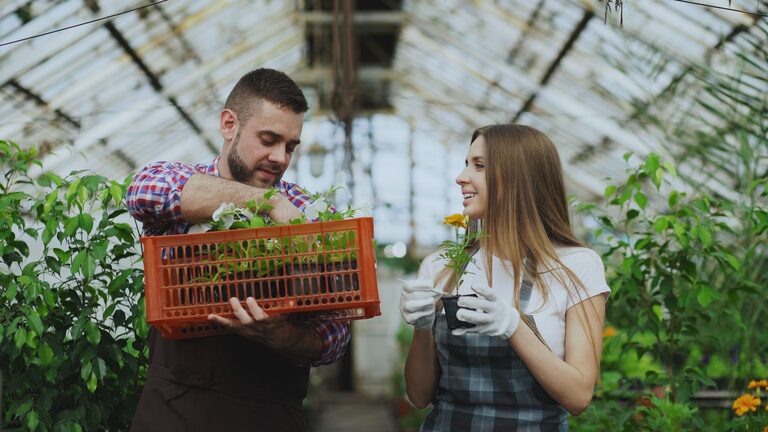
Creating a sustainable home garden is a rewarding way to connect with nature, grow your own food, and reduce your environmental impact. By planning carefully and adopting eco-friendly habits, you can enjoy a thriving garden throughout the year. This guide offers practical tips to help you create and maintain a sustainable garden no matter the season.
What is a Sustainable Home Garden?
A sustainable garden focuses on practices that are good for the environment, promote biodiversity, and minimise waste. It uses natural resources wisely—such as water and soil nutrients—while encouraging healthy plant growth without harmful chemicals. It can include edible plants, native species, and habitats that support bees, butterflies, and other wildlife.
Planning Your Year-Round Sustainable Garden
Choose the Right Plants
Selecting plants suited to your local climate and soil is essential for sustainability. Native plants are often the best choice as they need less water and care. Incorporating a mix of perennials and seasonal vegetables or herbs ensures continuous growth and harvest.
Tips for plant selection:
– Use seed packets and plant tags to check hardiness and water needs.
– Include pollinator-friendly flowers like lavender, marigolds, or sunflowers.
– Rotate crops annually to maintain soil health and reduce pests.
Design for Seasonal Interest
Plan your garden layout so it provides colour and life throughout all seasons. For example:
– In spring, plant early bloomers such as daffodils or chives.
– Summer can bring sun-loving plants like tomatoes and basil.
– In autumn, sow hardy greens like kale and cover crops.
– Winter beds might include evergreen shrubs or winter vegetables such as leeks.
Sustainable Soil Management
Healthy soil is the foundation of a thriving garden. Avoid synthetic fertilisers and instead build soil fertility naturally.
Composting
Creating your own compost turns kitchen scraps and garden waste into rich, nutrient-dense soil conditioner.
Benefits of compost:
– Improves soil structure and water retention.
– Provides essential nutrients without chemical inputs.
– Helps reduce household waste.
Mulching
Apply organic mulches (like straw, shredded leaves, or wood chips) around plants to:
– Retain soil moisture.
– Suppress weeds.
– Add slow-release nutrients as it breaks down.
Efficient Water Usage
Water conservation is a key aspect of sustainable gardening.
Rainwater Harvesting
Set up simple systems such as water butts to catch rain from gutters. This reduces reliance on mains water and saves money.
Watering Techniques
– Water plants early in the morning or late in the evening to minimise evaporation.
– Use drip irrigation or soaker hoses to focus water on roots, avoiding wastage.
– Group plants with similar water needs together.
Encouraging Biodiversity
Creating spaces for wildlife enhances garden health and sustainability.
Attract Pollinators and Beneficial Insects
– Plant a variety of flowering species that bloom at different times.
– Avoid pesticides—these can harm helpful insects.
– Provide habitats such as log piles or insect hotels.
Wildlife-friendly Features
– Install bird feeders or baths.
– Leave small patches of wild areas untouched for native creatures.
– Include shrubs or hedges for shelter.
Year-Round Maintenance Tips
Sustainability requires ongoing care, adapted to each season.
Spring
– Prepare beds with compost and mulch.
– Sow seeds indoors or directly outside depending on plant.
– Prune shrubs to encourage healthy growth.
Summer
– Monitor watering needs, especially during dry spells.
– Harvest crops regularly to encourage more production.
– Remove weeds promptly.
Autumn
– Plant cover crops or green manures to improve soil.
– Collect fallen leaves for mulch or compost.
– Start planning next season’s garden layout.
Winter
– Protect sensitive plants with cloches or fleece.
– Maintain garden tools and repair fences.
– Enjoy planning and seed ordering for spring.
Final Thoughts
Creating a sustainable home garden is a gradual yet fulfilling process. It supports your local environment, provides fresh produce, and can become a peaceful retreat. With thoughtful planning, responsible watering, and a commitment to natural methods, your garden can flourish all year, benefitting both you and the planet.
Happy gardening!