

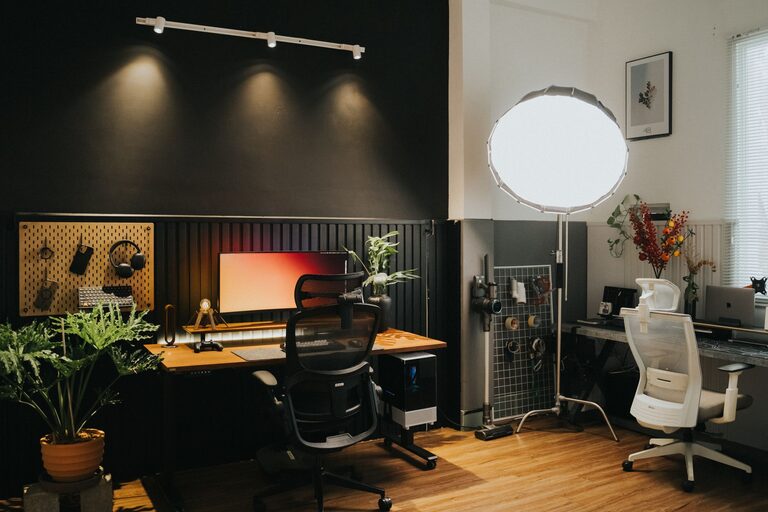
Creating a home office space that feels both cosy and inviting can significantly improve your productivity, mood, and overall work experience. Whether you have a dedicated room or just a small corner, with some thoughtful planning and easy adjustments, you can turn your workspace into a place you love spending time in. This guide offers practical tips to help you design a comfortable and appealing home office, encouraging focus while adding a personal touch.
Choose the Right Location
Selecting the best spot for your home office is essential. Ideally, look for a quiet area with plenty of natural light. Natural daylight not only improves your mood but also reduces eye strain during long hours of work.
– Quiet corners or spare rooms: These provide less distraction and a sense of separation from the rest of your household.
– Near a window: Fresh air and natural views can boost creativity and productivity.
– Adequate space: Ensure there’s enough room for your desk, chair, and any equipment or storage you might need.
Invest in Comfortable Furniture
Comfort is key when working from home, especially during lengthy work sessions. Your chair and desk should support good posture to avoid back or neck pain.
– Ergonomic chair: Choose a chair with adjustable height, lumbar support, and comfortable cushioning.
– Desk height: Your desk should allow your arms to rest comfortably at a 90-degree angle when typing.
– Flexible setups: Consider standing desks or sit-stand converters to vary your posture throughout the day.
Personalise Your Space
Adding personal touches can make your home office feel welcoming and help you feel more motivated.
– Colour scheme: Choose calming and warm colours like soft blues, greens, or neutral tones to create a relaxing atmosphere.
– Artwork and photos: Hang pictures or prints that inspire you or bring a smile to your face.
– Plants: Incorporate a few indoor plants. They improve air quality and add a natural element to your workspace.
Organise for Efficiency
A clutter-free space supports clear thinking and reduces stress. Organise your supplies, documents, and devices for easy access.
– Storage solutions: Use shelves, filing cabinets, or under-desk organisers to keep things tidy.
– Desk accessories: Trays, pen holders, and cable organisers help maintain order on your desktop.
– Digital organisation: Keep your computer desktop and files organised to save time finding documents.
Optimize Lighting
Proper lighting is important for reducing eye strain and maintaining focus.
– Natural light: Position your desk near windows whenever possible.
– Task lighting: Use adjustable desk lamps to provide additional focused light.
– Avoid glare: Angle screens and lights to prevent reflections on your monitor.
Create a Relaxing Atmosphere
Your home office should feel like a pleasant space where you want to spend time.
– Soft textiles: A cosy rug, cushions, or a throw blanket can add warmth and texture.
– Scent and sound: Consider subtle scented candles or essential oil diffusers, and use background music or white noise to stay focused.
– Temperature control: Keep the room comfortably warm or cool, using fans, heaters, or opening windows as needed.
Incorporate Technology Thoughtfully
Technology should aid your work without adding to distractions or clutter.
– Cable management: Use clips and ties to keep cables tidy and avoid tangling.
– Essential gadgets: Invest in a good quality keyboard, mouse, and webcam if needed for virtual meetings.
– Charging stations: Designate a spot to charge your devices overnight, keeping your desk clear.
Maintain Work-Life Balance
Separating your work area from rest areas helps maintain a healthy boundary between work and personal life.
– Dedicated workspace: Avoid using your bed or sofa as your office.
– End-of-day ritual: Finish work by tidying your desk and switching off office equipment.
– Break space: Have a nearby place to take breaks without distractions from work materials.
Regularly Refresh Your Space
Keep your workspace inspiring by updating it occasionally.
– Seasonal changes: Swap cushions or decor items for a fresh look.
– Rearrange furniture: Try different layouts to improve flow and feel.
– New plants or accessories: Small additions can make a big difference.
—
Creating a cosy and inviting home office is about balancing comfort, organisation, and personal style. By following these straightforward tips, you can create a productive environment that feels like your own sanctuary. Remember, the perfect workspace is one that makes you feel happy, focused, and ready to tackle your tasks.